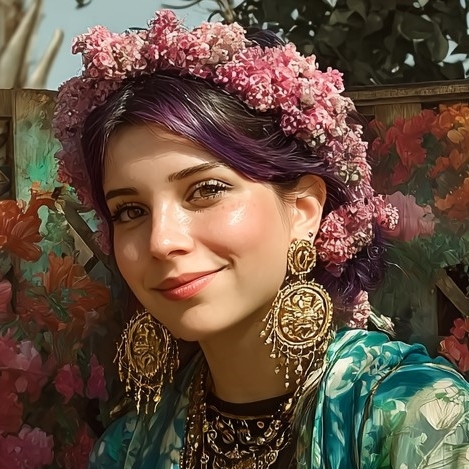
FEEFAA org is online space, with cultural documentations, stories, as well as creative new material. FEEFAA includes collections of old gold jewellery in the FEEFAA Gold section, articles in the Readings section, and art exhibitions are presented in the “Today Gallery at FEEFAA.  

Readings

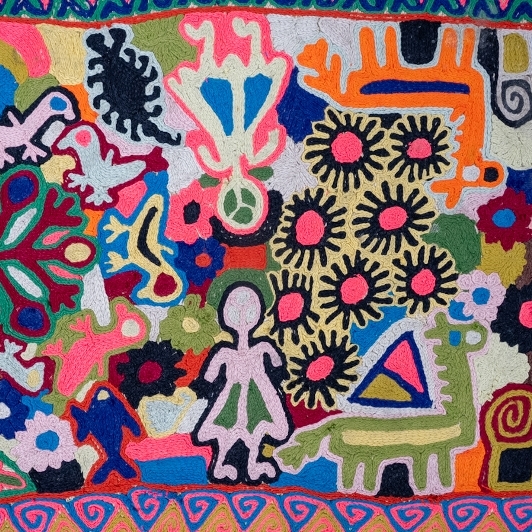
  • This particular izar was made by the Marsh Arabs the Maʻdan of southern Iraq. The Maʻdan izar is especially known for its distinctive bold, colourful, and symbolically expressive chain stitch that reflects the life, environment, and cultural identity of the Marsh Arabs.

  • The Hammam, or traditional public bathhouse, has deep cultural and historical roots in Iraq, serving not only as a place for physical cleansing but also for social interaction, relaxation and celebration of major events.

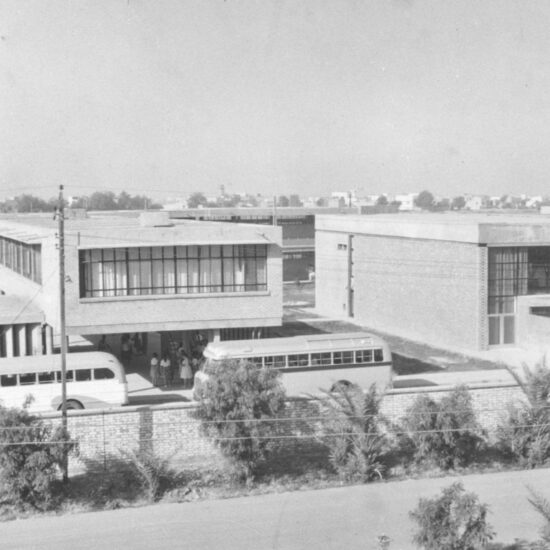
  • In 2025, Baghdad High School is celebrating its centennial anniversary. To mark this occasion, Part 3 of the article "Golden School Days" is being republished. The complete article originally appeared in 2021 on the FEEFAA org website.

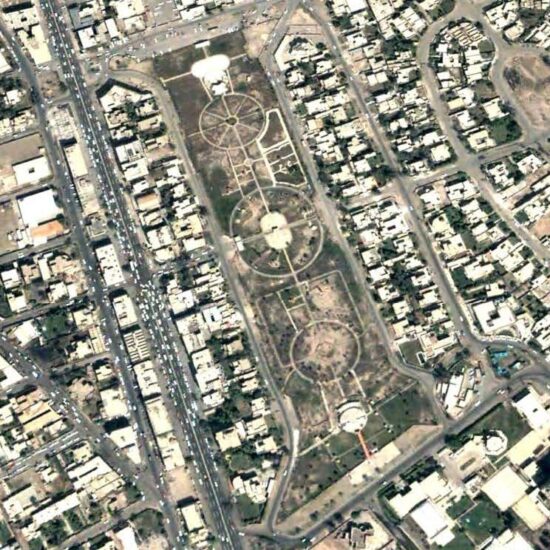
  • Year 2093 one hundred and ten years after they left Baghdad, 90 years after the war in Iraq, in Adhamiya, where her great-grandfather’s home once existed, Reemoshka made her grandmother’s dream come true. She rebuilt the family home.

  • The oud is one of the most significant musical instruments in the Arab and Islamic world. With a history spanning thousands of years, it's renowned for its melodious and versatile sound. The oud is characterized by its pear-shaped body and fretless neck.

  • Ali's stamps box, embarked on its own journey from Iraq across several countries before finally reaching him in Canada. The collection had about 1,560 stamps from more than 60 different countries. Most of the stamps span from the late 1880s to the late 1960s.

  • In the 1940s Iraq witnessed a widespread of cultural movement that paralleled the national movement, transforming into an intellectual revolution across all literary, artistic, political, and social fields.

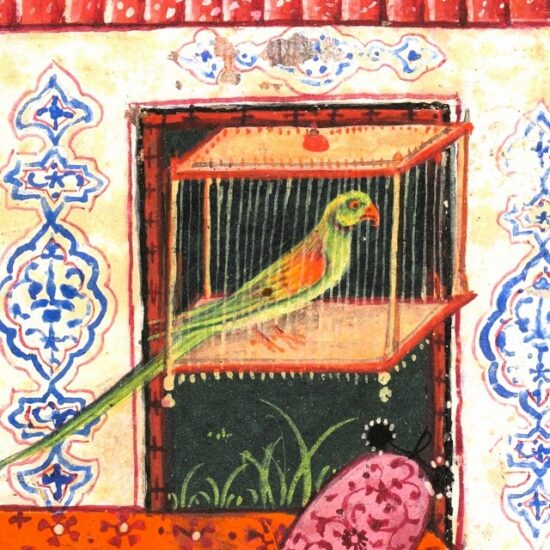
  • From the Arabic culinary manuscripts, we learn not only about the methods of food preparation. These texts provide insight into medieval Arab life, we have a mirror reflecting their society. 

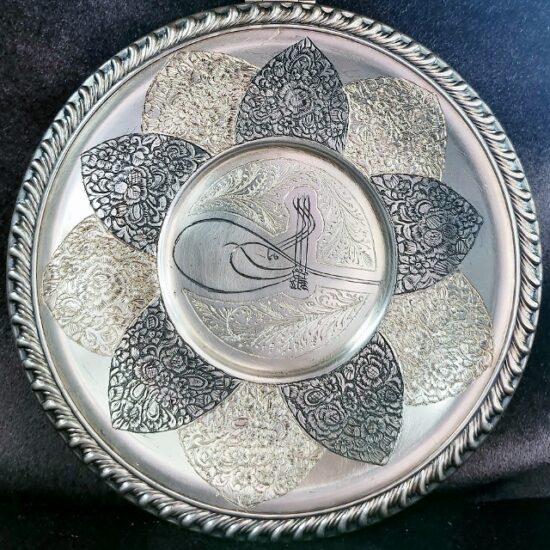
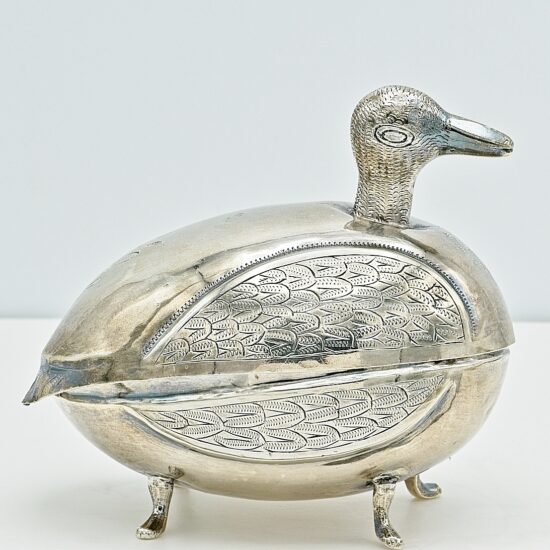
  • Aysar developed her interest in the centuries old niello skills and culture of the Sabaeans/Mandaeans.  At about the age of eighteen, she started her collection of silver artifacts.

FEEFAA Gold 

Items exhibited represents designs influenced by trends, culture, history and surrounding regions.  

FEEFAA is voluntary work of professionals, academics and art lovers, passionately gathered the material and created this documentary.

Best of knowledge, search for information and memory assembled together.

Providing bases for additions, comparison and further studies.  

Participate by submitting articles, collections and goldsmith biographies to FEEFAA. 

FEEFAA has expanded its collections to include contemporary jewellery by selected artists in a new section named “Today Gallery at FEEFAA”.

Insight section includes related articles and memoirs. 

Exhibited jewellery items are grouped by collections, types and subtypes.

Celebrating the addition of the tenth collection “dune”.

Terminologies: Hujil is children anklet; Milwie is women’s anklet, today used as a bracelet; Baswand or Zanadi is arm band; Gardana or Gardunligh is a wide necklace choker; Gou Zair is gold beads 

Terminologies: Mantashi is a large chest brooch; Qobcha is a round brooch made of pearls; Sabah is a bracelet made of several chainsQardon is a chain necklace of a specific design.

Al Nahir Street Goldsmiths, Yousif Askar, Salim Sha’o, Khalil Malallah, and Hashim Al Warid were among the most well known names. 

The gold used mainly is 22 karats known for its distinctive colour and softness.  Eighteen karats gold and lower is not used or very rarely.

error: Content is protected !!